The Bar Council of India does not permit advocates to advertise or solicit work. By accessing this website, you acknowledge that:
You are seeking information about NS Law Firm on your own accord, and there has been no advertisement, personal communication, solicitation, invitation, or inducement of any sort from the firm or its members.
The content on this website is for informational purposes only and should not be construed as legal advice. NS Law Firm is not liable for any consequence of any action taken based on the material provided on this site.
In-depth legal analyses, statutory frameworks, and practical insights authored by our legal team in Coimbatore for business leaders, investors, and individuals.
5Published Articles
5Practice Domains
100%Advocate Authored
Curated Library
Recent Legal Analyses
Browse through our structured guides on insolvency, civil suits, banking disputes, corporate governance, and due diligence.
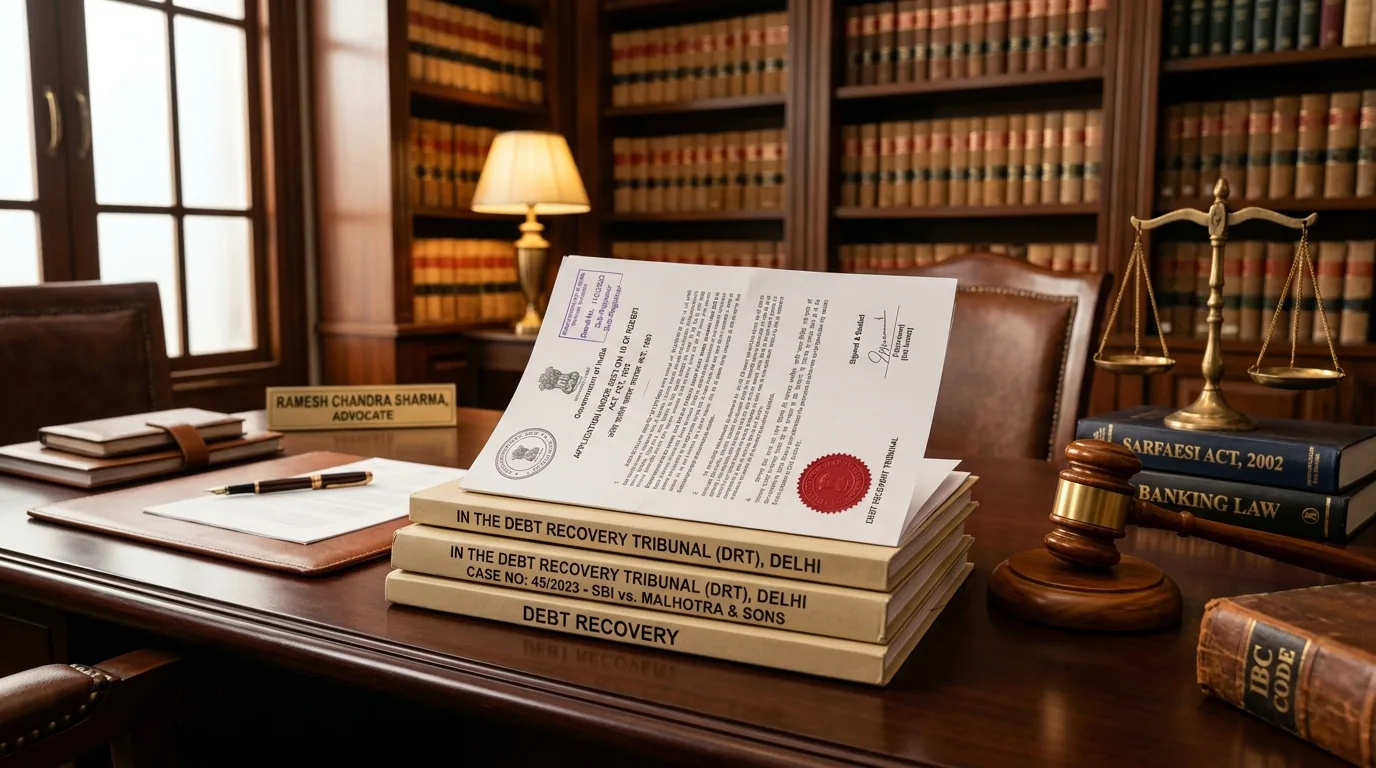
Bank loan default in India can lead to notices, recovery proceedings, enforcement of secured property and, in certain cases, proceedings before the Debt Recovery Tribunal.
The Corporate Insolvency Resolution Process is the legal process under the Insolvency and Bankruptcy Code, 2016 for resolving insolvency of a corporate debtor.
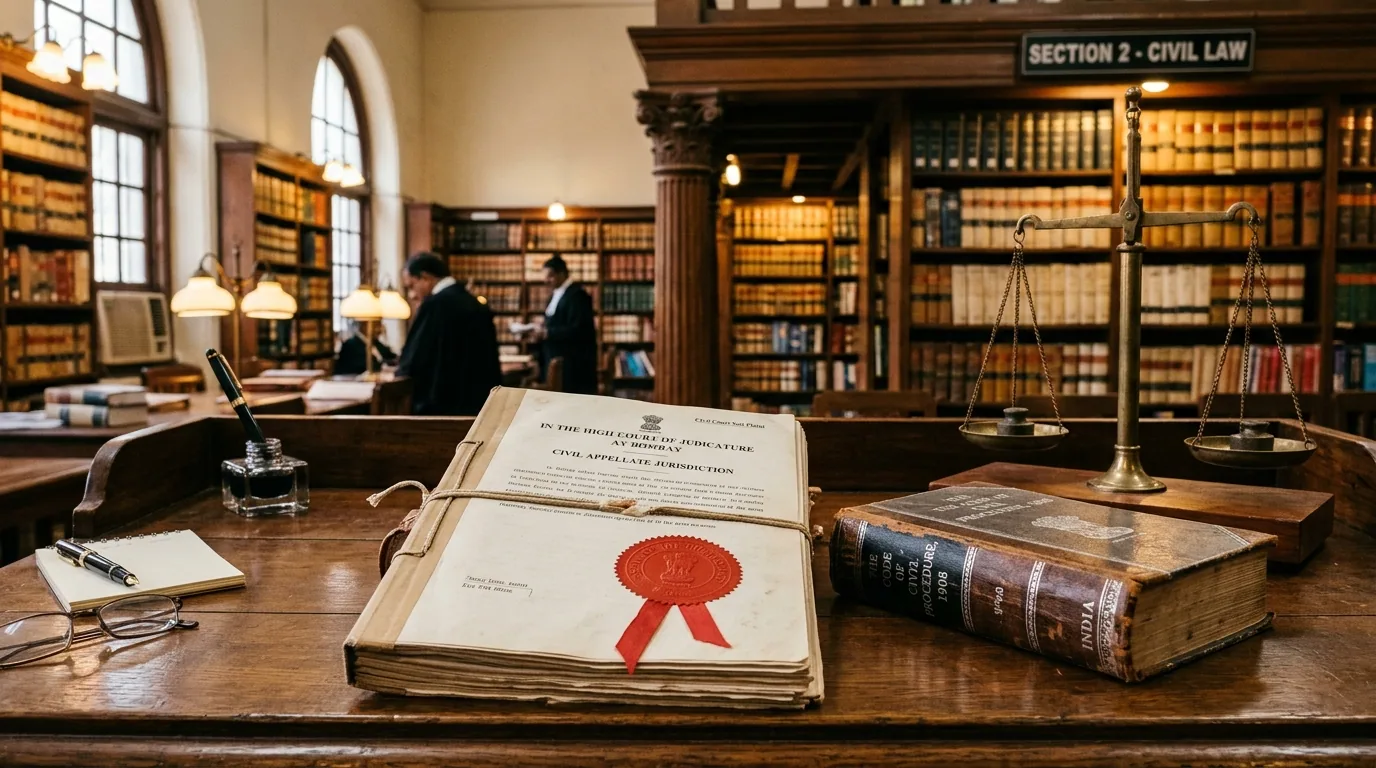
Filing a civil suit in India involves identifying the cause of action, checking limitation, determining jurisdiction, preparing the plaint and complying with court procedures.
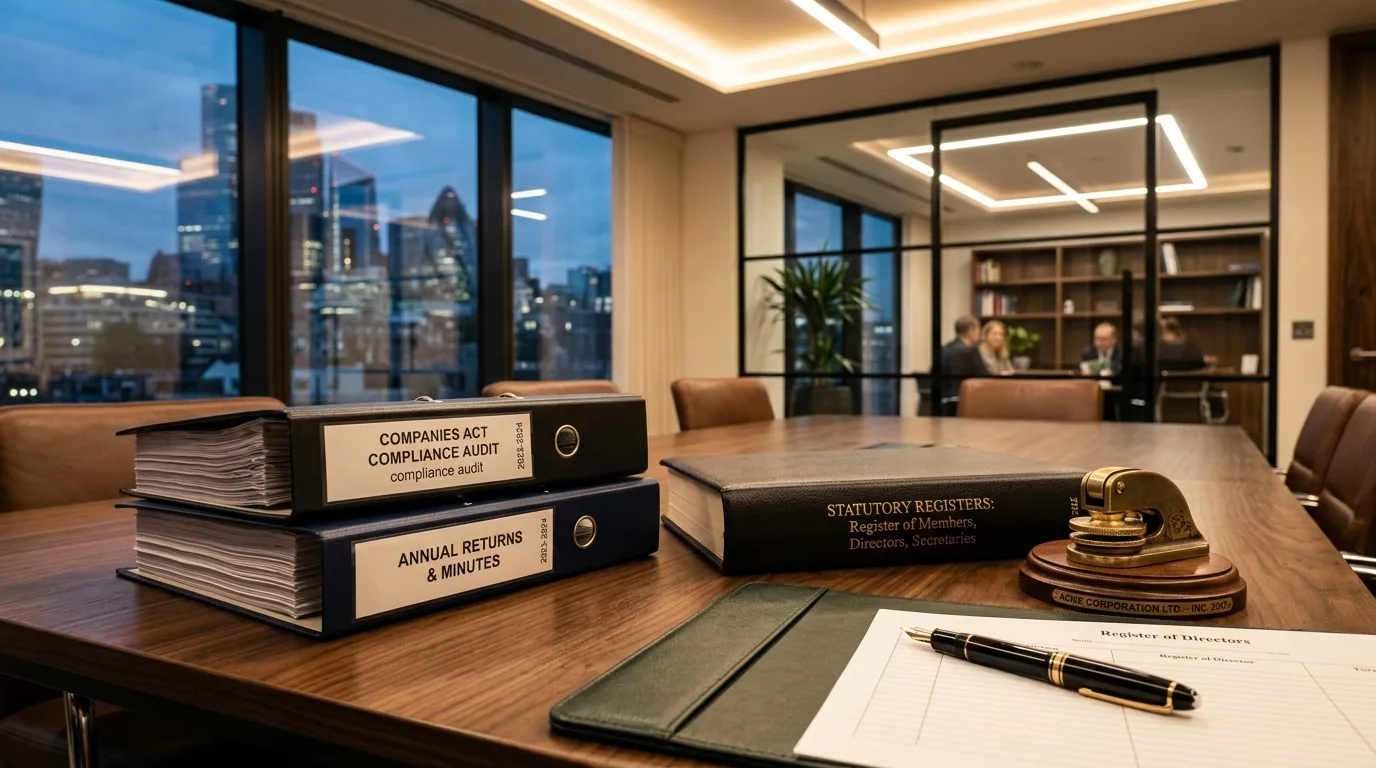
Corporate compliance in India involves statutory filings, board meetings, financial reporting, taxation, employment, records and other applicable regulatory requirements.
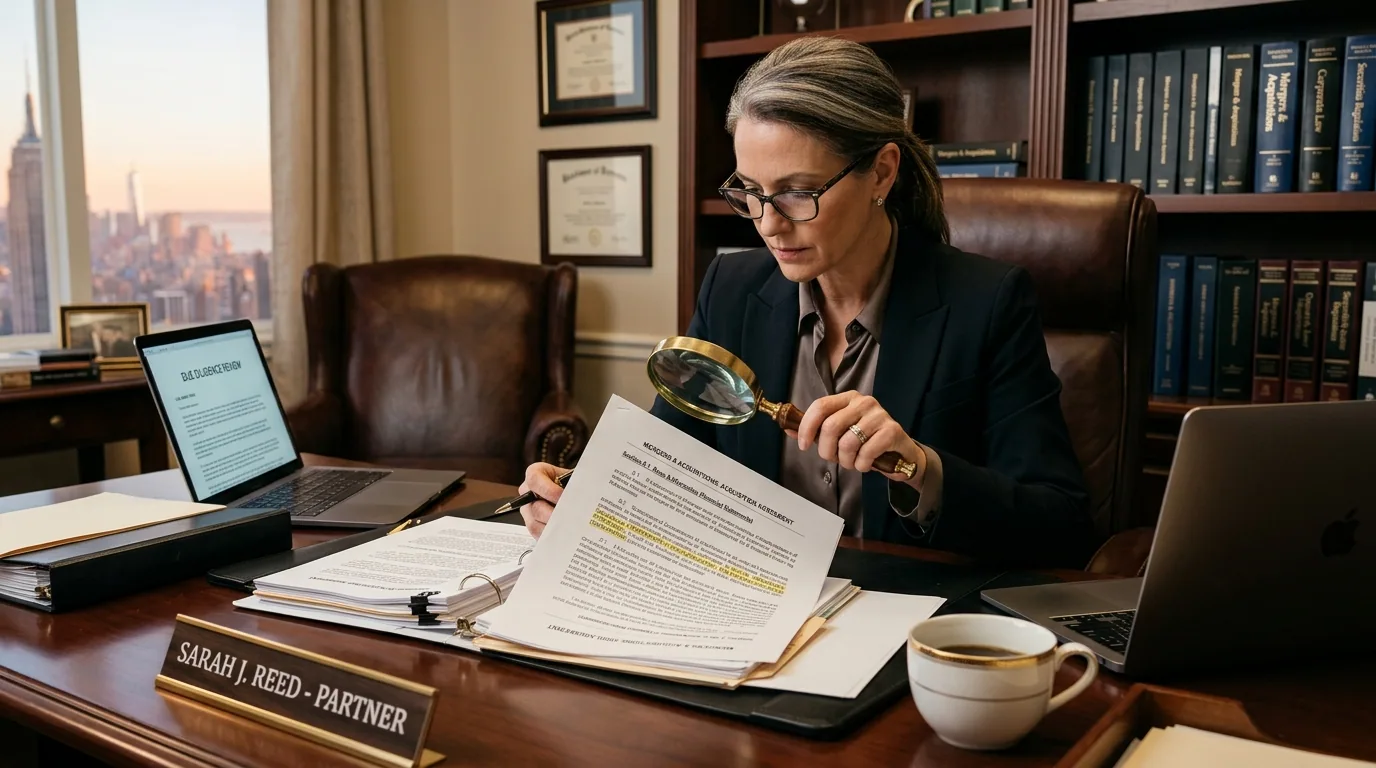
Legal due diligence before buying a business or company helps identify hidden liabilities, disputes, tax issues, regulatory problems, contractual obligations and ownership risks.
Expert Consultation
Need Advice on a Specific Legal Matter?
Our advocates provide direct, confidential advisory across civil litigation, corporate compliance, banking recovery, and insolvency proceedings.